Everyone talks about the final inspection before settlement. But here is the one nobody talks about, and honestly, it is the more important one.
The pre-exchange inspection.
By the time you get to a final inspection, you have already signed the contract. The property is essentially yours. Your options if something is wrong are limited, expensive and stressful.
But before exchange? You still have all the power.
⚠️ General information only: not legal advice. Every contract and situation is different. Always speak to your conveyancer before making any decisions.
What Is a Pre-Exchange Inspection?
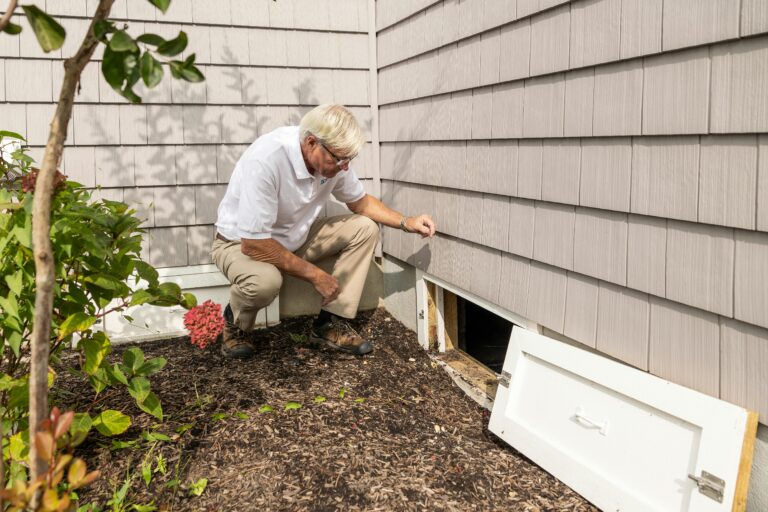
It is exactly what it sounds like, a thorough inspection of the property before you sign and exchange contracts.
Most buyers do a building and pest inspection at this stage (if they are smart). But a pre-exchange walkthrough goes further. It is your chance to look at the property with fresh, critical eyes before you are legally committed to it.
Once you exchange, you are in. Subject to the cooling-off period, that property is yours to buy. Everything you discover after that point becomes a negotiation, a dispute or just your problem.
Pre-Exchange vs Final Inspection: What Is the Difference?
| Pre-Exchange Inspection | Final Inspection | |
|---|---|---|
| When | Before you sign contracts | 24-48 hours before settlement |
| Your leverage | Maximum, you have not committed yet | Limited, you are already locked in |
| What you can do if something is wrong | Walk away, renegotiate price, ask for repairs before signing | Ask for repairs, holdback, or delay settlement (risky) |
| The risk if you find something | Low, you can act freely | High, wrong moves can put you in breach |
| He said she said risk | Low, nothing is agreed yet | High, disputes about what was there at exchange vs now |
The “He Said She Said” Problem at Settlement
Here is the scenario Kylie sees time and time again.
Buyer gets to the final inspection. Something is damaged, a fence panel, a cracked tile, a broken blind, a gate that no longer closes properly. The buyer says it was fine when they inspected before exchange. The vendor says it was already like that when the contract was signed.
Now it is a dispute. Both parties are dug in. Settlement is hours away. Nobody can prove anything definitively.
This is exactly the kind of situation that causes last-minute stress, delayed settlements and unnecessary legal costs.
💡 The Simple Fix: A thorough pre-exchange inspection with photos and notes. If you document the condition of the property before you sign, date-stamped photos of every room, every appliance, every fence, every gate, you have evidence. He said she said becomes he said she said but here are 47 photos proving it.
What to Check at Your Pre-Exchange Inspection
Go through everything, slowly and methodically:
📸 Photograph everything: every room, inside cupboards, the roof space if accessible, under the house, the garage, the yard
🔌 Test all appliances: oven, cooktop, rangehood, dishwasher, air conditioning, heating
💡 Check every light: inside and outside
🚰 Run all taps: check water pressure and look for drips or leaks under sinks
🚽 Flush every toilet: yes, all of them
🚗 Test the garage door and all remotes
🏊 Check the pool if there is one: run the equipment, look at the condition of the water
🪟 Open every window and door: check they open, close and lock properly
🔍 Look at walls, ceilings and floors: water stains, cracks, soft spots in flooring
🌿 Walk the whole yard: fences, gates, retaining walls, garden structures
And then, after all of that, get a proper building and pest inspection done by a qualified inspector. Your eyes are not enough. A professional inspector sees things you will never notice.
The Bottom Line
The final inspection is important. But the pre-exchange inspection is where you actually protect yourself.
Do it thoroughly. Document everything. Get a building and pest report. And if anything concerns you, talk to your conveyancer before you sign, not after.
At Milana Law, we always encourage buyers to do their homework before exchange, because that is when your options are widest and your leverage is greatest.
Talk to us before you sign. That is what we are here for.
Milana Law | Property Law Made Personal | Queensland & NSW Property Law | www.milanalaw.com.au