You are about to sign a property contract and someone mentions “special conditions.” Maybe your agent asks if you want to add any. Maybe you have heard the term but are not entirely sure what it actually means or whether you are even allowed to add your own.
Here is the honest answer, for both Queensland buyers and sellers, and NSW purchasers and vendors.
General information only, not legal advice. Always have your contract reviewed by a conveyancer before signing.
What Is a Special Condition?
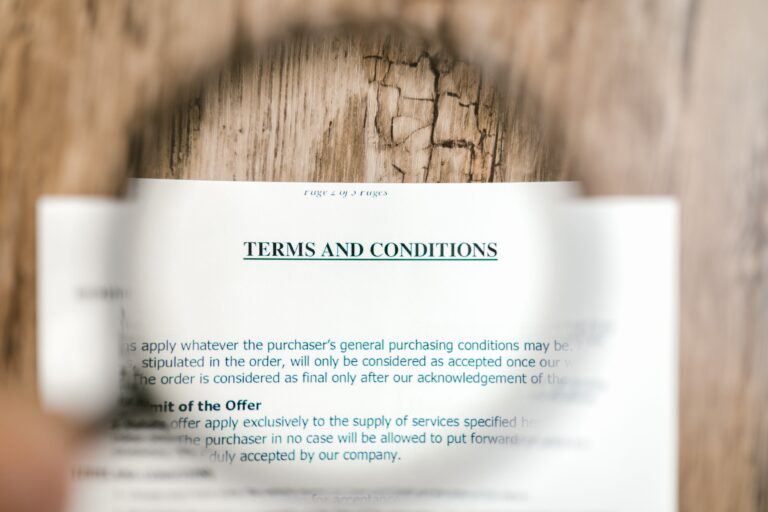
A property contract is built on a standard set of terms, the same basic framework used in most transactions. A special condition is an additional clause added to that standard contract to deal with something specific to your particular transaction.
Special conditions are not unusual or suspicious. They are a normal and common part of property contracts in both Queensland and New South Wales. In fact, most contracts include at least a few.
In Plain English: Think of the standard contract as the rulebook everyone uses. Special conditions are the extra rules added just for your specific game.
Can a Buyer (or Purchaser) Add Their Own Special Conditions?
Yes. In both QLD and NSW, a buyer (or purchaser, using the NSW term) can propose special conditions as part of their offer. This is a normal part of negotiating a property purchase.
Common examples of buyer-requested special conditions include:
- “Subject to satisfactory building and pest inspection”
- “Subject to finance approval” (in QLD, finance clauses are often built into the standard contract; in NSW, they are commonly added as a special condition)
- A request for specific items to be included in the sale (a particular shed, furniture, or fittings)
- A request for the seller (or vendor) to complete specific repairs before settlement
- A longer or shorter settlement period than standard
- A clause allowing early access to the property before settlement for measuring or planning purposes
Can a Seller (or Vendor) Add Their Own Special Conditions?
Yes, sellers and vendors can absolutely add special conditions too, and often do, particularly when preparing the contract before it goes to market (this is especially relevant in NSW, where the vendor’s solicitor prepares the Contract for Sale before listing).
Common examples of seller or vendor-requested special conditions include:
- A clause excluding certain items from the sale (a clothesline, a shed, garden ornaments)
- A clause requiring a longer settlement period to allow time to find a new property
- A clause limiting the buyer’s or purchaser’s access to the property before settlement
- A clause addressing how existing tenants will be handled if the property is tenanted
- A “sunset clause” type provision in certain circumstances
Does Everyone Have to Agree to a Proposed Special Condition?
This is the key thing to understand. A special condition is only part of the contract once both parties agree to it.
If a buyer (purchaser) proposes a special condition, the seller (vendor) can:
✅ Accept it as proposed
🔄 Negotiate a modified version
❌ Reject it entirely
The same applies in reverse if a seller (vendor) proposes a special condition that the buyer (purchaser) does not agree with.
In Plain English: You can ask for whatever special condition you want. Whether it actually ends up in the final contract depends entirely on whether the other party agrees to it. Adding it to a draft does not make it binding, both sides need to sign off.
What Makes a Good Special Condition?
Not all special conditions are written equally. A poorly worded special condition can cause more problems than it solves, creating ambiguity, unenforceable terms or unintended consequences.
A well-drafted special condition should:
✅ Be specific and unambiguous about exactly what is required
✅ Include a clear timeframe for when any action must occur
✅ Clearly state what happens if the condition is not met (can the contract be terminated? Does it become void?)
✅ Not contradict other terms already in the standard contract
✅ Be legally enforceable, not just a vague statement of intention
Common Mistakes Buyers and Sellers Make With Special Conditions
Writing it themselves without legal review
Special conditions drafted by buyers, sellers or agents, without input from a conveyancer or solicitor, can be poorly worded, ambiguous or even unenforceable. What looks like a clear instruction to a non-lawyer can be open to interpretation in a way that causes a dispute later.
Assuming a verbal agreement is enough
If it is not written into the contract as a special condition, it generally is not legally binding, regardless of what was said in person or over the phone. “The agent said it would be fine” is not the same as a properly drafted clause in the contract.
Adding too many conflicting conditions
Sometimes buyers or sellers add multiple special conditions that inadvertently contradict each other, or contradict the standard terms of the contract. This creates confusion about which term actually applies.
Not understanding the consequences of a condition not being met
A buyer might add a finance clause without understanding exactly what happens if finance is not approved by the specified date, does the contract automatically end, or do they need to take a specific action to terminate it? This detail matters enormously.
Should You Always Have Special Conditions Reviewed by a Conveyancer?
Yes, without exception. Whether you are a buyer, seller, purchaser or vendor in QLD or NSW, any special condition, whether you are proposing one or responding to one proposed by the other party, should be reviewed by your conveyancer or solicitor before you sign.
This is true even for conditions that seem straightforward. What seems like a simple request can have legal implications that are not obvious to someone without legal training.
The Bottom Line
Yes, you can add your own special conditions to a property contract, whether you are a QLD buyer, QLD seller, NSW purchaser or NSW vendor. But adding a condition does not make it binding until the other party agrees, and poorly drafted conditions can create more problems than they solve.
The safest approach is always the same: discuss what you want to include with your conveyancer before the contract is finalised, so it is drafted properly and actually protects your interests.
Thinking about adding a special condition to your contract, or unsure about one the other party has proposed? Contact Milana Law before you sign.
Milana Law | QLD & NSW Property Law | milanalaw.com.au